


As large-scale model training and AI computing clusters become widely deployed, the power consumption of server chips is exceeding previous expectations. The power consumption per GPU has effortlessly surpassed the kilowatt level, while the power consumption per server cabinet on next-generation computing platforms has reached 225 kW. The traditional air-cooling approach—relying solely on fans and air conditioning systems for heat dissipation—has a maximum cooling capacity of only 30 kW, making it increasingly inadequate to handle the substantial heat generated by high-density computing workloads.
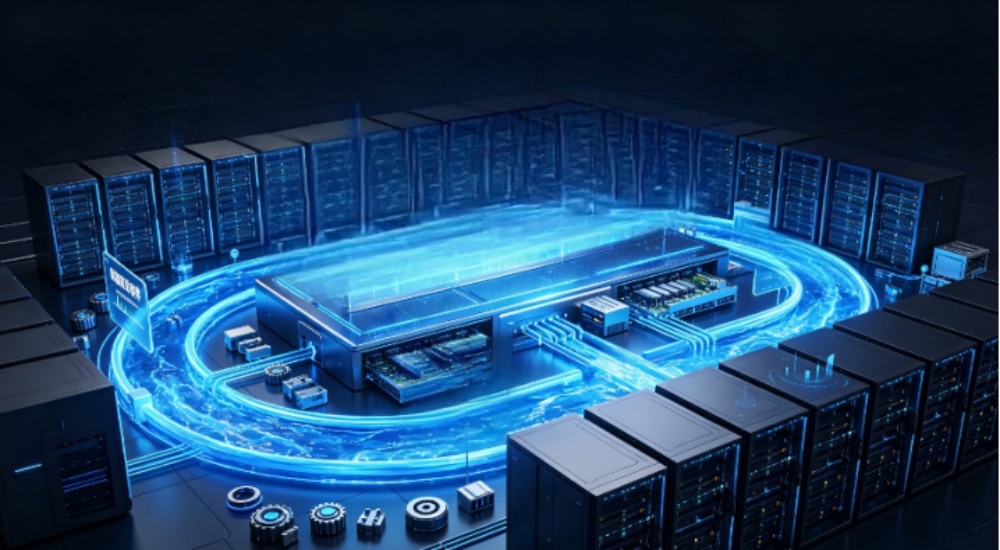
A revolution in computing power cooling is quietly unfolding across global data centers: liquid cooling is no longer just an optional feature in a handful of supercomputing centers – it has become the standard solution for high-end AI servers.
01 Computing power continues to surge – liquid cooling systems take center stage across the industry
For a considerable period, data center cooling relied on air conditioning systems and fans – a simple, efficient approach with manageable costs. However, with the widespread deployment of large-scale intelligent computing centers and ultra-large-scale computing node clusters, chip power consumption has surged dramatically, making the performance limitations of air-cooling solutions increasingly apparent. When the power consumption per server exceeds 100 kW, the pressure associated with cold plate liquid cooling rises sharply; once the power consumption per server reaches or exceeds 200 kW, the advantages of immersion liquid cooling solutions become even more pronounced.
Industry data provides an intuitive reflection of market momentum: the domestic liquid-cooled data center market size is expected to reach RMB 15.98 billion by 2025, representing a year-on-year growth of 45.2%; institutions forecast that the global intelligent computing liquid cooling market size could exceed RMB 100 billion by 2026. TrendForce predicts that the penetration rate of liquid cooling in the AI chip sector will rise from 33% in 2025 to 53% in 2026, and approach 60% by 2027.
NVIDIA's latest move signals a comprehensive shift toward liquid cooling solutions. The new-generation Vera Rubin computing power platform has entered mass production and is scheduled for large-scale shipment in the fall of 2026. This platform eliminates all traditional cooling fans, adopting a full-chain cold-plate liquid cooling system that covers all components—including chips, optical modules, switches, and power supply units—under its liquid cooling framework. By utilizing a medium-temperature water circulation system operating at 45°C, the overall PUE of the data center can be reduced to as low as 1.08, significantly lowering the energy consumption of the computing infrastructure.
This surge in liquid cooling demand is not solely driven by the Chinese market. The massive training clusters deployed by leading global cloud providers—Meta, Microsoft, and Google—constitute the core engine behind global liquid cooling demand, accounting for approximately 60% of the growth; the domestic market, on the other hand, is driven by centralized procurement initiatives undertaken by telecom operators, major internet companies, and regional intelligent computing centers, capturing the remaining 30–40% of the market growth.
In simple terms: as the power consumption of AI chips continues to rise, the computing power density in data centers keeps increasing, and new global AI computing centers are continuously being launched, the underlying rationale driving the growth of the liquid cooling sector will remain unchanged.
02 The Industrial Chain in Two Opposing States: Sufficient capacity for complete device assembly, but demand for core precision components exceeds supply.
Amid a booming market, numerous domestic manufacturers specializing in liquid cooling solutions are experiencing overwhelming order volumes. The AI server production line in Jinan is accelerating the assembly of liquid-cooled server models; the core equipment production line at Laixi, Qingdao, has orders scheduled through the end of the year; and for liquid cooling component suppliers in Foshan, orders, output value, and delivery volumes have nearly doubled. Many listed companies have disclosed that their liquid cooling plate production capacity is operating at nearly full capacity.
However, behind this apparent prosperity lies a stark divergence in the supply-demand dynamics across the industrial chain; not all segments are experiencing capacity constraints.
From an industrial segmentation perspective, the server assembly segment has relatively low entry barriers and the fastest capacity expansion pace; consequently, the supply tightness is expected to ease significantly by next year. The actual supply-demand gap lies in the upstream segment of precision core components—where product reliability and machining accuracy directly determine the yield rate—making capacity expansion particularly challenging and certification processes lengthy, thereby highlighting a pronounced supply-demand mismatch.
The cold-plate liquid cooling system is currently the mainstream approach driving significant market growth. The entire system consists of multiple key components: a cold-plate assembly that transfers heat away from the chips; manifold branching pipes that distribute the coolant; UQD quick-connect fittings that ensure secure sealing during pipe connection and disconnection; and the CDU Cooling Distribution Unit, which serves as the central hub of the entire circulation system, regulating coolant flow rate and heat exchange.
Current supply and demand status of various components:
Standard cold plate supplies are relatively ample; however, customized microchannel cold plates designed for kilowatt-level high-power chips face tight supply constraints.
The production capacity for standard CDU cooling distribution units is gradually increasing, whereas high-redundancy models designed for ultra-large-scale intelligent computing clusters remain in short supply;
The UQD quick-connect connector segment represents the area with the largest supply gap; it demands extremely stringent leak-proofing requirements, there are very few qualified suppliers worldwide, the yield rate for domestically produced products is insufficient, and the capacity shortfall is expected to be filled within the next 1–2 years.
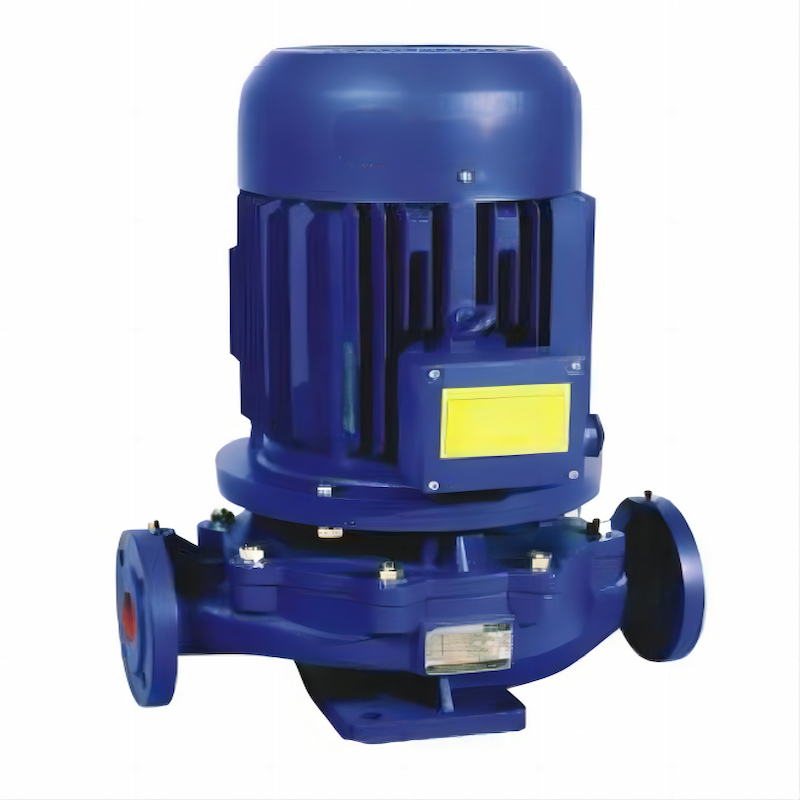
Manifold diverging pipes and high-end liquid cooling pump valves require high machining precision; however, these components are supplied in limited quantities, and a persistent gap remains.
The redefinition of value proposition represents another significant shift in the liquid cooling industry. NVIDIA's Rubin platform extends liquid cooling solutions to a broader range of components, substantially increasing the value of single-rack liquid cooling modules. Calculations show that the value of a single-rack liquid cooling module has risen from approximately US$41,500 on the GB200 platform to US$55,700 on the Rubin platform. Notably, the unit price of microchannel cooling plates is 3–5 times higher than that of traditional cooling plates, elevating them from ordinary hardware components to one of the most valuable parts within server cabinets. Emerging applications, such as liquid cooling for optical modules, are also unlocking new growth opportunities across the industry chain.
The industry's competitive dynamics have consequently shifted: while the early market was defined by price competition, future competition will center on technological reliability, large-scale mass-production capabilities, long-term customer certification credentials, and global delivery capabilities.
03 China's domestic supply chain is accelerating its breakthrough – backed by three major strengths – yet its weaknesses remain equally prominent.
A complete liquid cooling system consists of a primary side and a secondary side; the secondary side, which is located close to the servers, accounts for 70%–75% of the total system value, features higher technological barriers, and represents the primary battleground for domestic substitution; the CDU, cooling plate, and UQD quick connectors are the core components for achieving breakthroughs in this area.
Domestic manufacturers have already achieved phased breakthroughs across various stages of the supply chain:
In the rapid connector market, Liminda – a subsidiary of Lingyi Intelligent Manufacturing – has commenced mass delivery of liquid-cooling connectors to leading global computing power customers; Yonggui Electric's UQD products have completed customer testing and have entered the small-batch shipment phase; Chuanhuan Technology has secured a presence within the supply chains of major end-device manufacturers, including Inspur, ByteDance, and Alibaba.
At the system integration level, Invic has developed a comprehensive liquid cooling solution covering cold plates, joints, CDUs, and coolant; multiple core components have been verified by Intel.
In the liquid cooling pump sector, Feilong Co., Ltd.'s high-power liquid cooling pumps are gradually entering the mass production and delivery phase;
In terms of cold-source equipment, Binglun Environment's chiller business revenue continued to grow at a rapid rate;
Upstream equipment – including Haimuxing's liquid-cooled panel welding machinery and automated production lines – has been supplied in small batches to leading cloud computing enterprises.
The coolant industry is entering a rare window of opportunity. The recent withdrawal of the global giant 3M from its fluorinated liquid business has resulted in the loss of 70% of the global supply of high-end fluorinated liquids; in response, domestic companies such as Juhua Co., Ltd. and Xinzhoubang are accelerating their expansion into related product segments. However, chemical project development involves lengthy construction cycles, and it typically takes 2–3 years to fully realize production capacity.
The current most significant weakness in China's domestic supply chain lies in microchannel cold plates (MLCP). The production of these plates requires semiconductor-grade lithography, etching, and vacuum diffusion bonding processes – areas where traditional metal fabrication techniques have already reached their limits. Currently, NVIDIA's certified suppliers are predominantly Taiwanese companies; however, domestic firms such as Lens Technology and AVIC Optoelectronics are still in the sample submission and testing phase. Their mass-production yield rates and leakage risks still require further validation; consequently, the gap in manufacturing processes and the barriers to customer certification are unlikely to be overcome in the short term.
However, China's domestic industrial chain boasts three distinctive advantages: First, China's comprehensive chemical industry ecosystem positions it as one of the few regions globally capable of rapidly expanding production capacity for high-end fluorinated liquids; Second, its substantial capacity in precision manufacturing—such as CNC machining and vacuum brazing—enables it to accommodate the relocation of global orders; Third, the vast centralized procurement market for domestic intelligent computing centers allows manufacturers to leverage this local market for product validation and yield ramp-up before expanding their operations overseas.
It is worth noting that the certification process for hardware products is lengthy: for liquid cooling pumps, the entire journey—from R&D and sample production to completion of all reliability tests and obtaining customer certification—typically takes 1–2 years. Addressing the production capacity gap for quick-connect fittings will also take 1–2 years, while scaling up the production capacity for fluorinated cooling fluids will require 2–3 years. Domestic substitution is not an overnight achievement but rather a long-term, gradual process of market penetration.
04 The Computing Power Cooling Competition has just begun!
AI large language models are continuously evolving, and the trend toward increasing computational power density will not cease; as a foundational supporting component of computational infrastructure, liquid cooling now has significant long-term growth potential.
The industry is currently at a critical juncture marked by surging demand and the restructuring of supply chains. While downstream final assembly capacity has expanded rapidly, supply bottlenecks persist in upstream segments—including precision components, high-end materials, and specialized cold-rolled steel sheets. International giants dominate the high-end market, whereas domestic manufacturers are simultaneously securing orders while overcoming technical challenges and completing lengthy customer certification processes.
In the coming years, the key focus of the liquid cooling sector will no longer be solely on market growth rate, but on whether domestic manufacturers can overcome critical technical hurdles—such as UQD connectors, microchannel cooling plates, and fluorinated cooling fluids—and achieve full domestic control over both individual components and complete liquid cooling systems. Behind this competition for computing power lies a pivotal battle in thermal management that warrants continuous attention.




 IPv6 network supported.